Scotland, a tapestry of rugged landscapes, dramatic coastlines, and rich history, also weaves a lesser-known narrative — that of air crash sites that serve as stark reminders of the risks of flight. These sites, scattered not far from the bustling Scottish capital of Edinburgh, offer both a sobering look at aviation tragedies and a testament to the heroism, technological evolution, and the relentless human spirit.
The Moors of the Peak District
Approximately 4 hours drive from Edinburgh
Although the Peak District is in England, its proximity to Edinburgh makes it accessible for a long day trip. The moors, notorious for their unpredictable weather patterns and challenging visibility, have been the site of numerous aircraft crashes, primarily during World War II training exercises. These remnants, often marked by memorial plaques, stand as a poignant tribute to those who perished.
The Cairngorms National Park
Approximately 2.5 hours drive from Edinburgh

The haunting tales of the Cairngorms draw many visitors. In 1950, a Lancaster bomber, while on a rescue mission, tragically crashed here, claiming all its crew. Visitors can find a memorial cairn, standing as a silent testament to the brave souls lost and the perils of the Scottish highlands.
Ben More Assynt
Approximately 4.5 hours drive from Edinburgh
In 1941, the mountainside of Ben More Assynt became the final resting place of an RAF plane. The wreckage remained undisturbed for decades until 1985 when the crew was finally given a proper burial, thanks to the efforts of a local schoolteacher. It’s a longer trip from Edinburgh but offers an immersive experience into Scotland’s natural and wartime history.
Isle of Jura
Approximately 4 hours to the ferry from Edinburgh, including the ferry ride
The remote Isle of Jura, known more for its whisky distilleries, hides the tragic tale of a B-24 Liberator crash in 1942. The island’s challenging terrain combined with the stories of heroism and tragedy provides a rich backdrop for those looking for a deeper understanding of Scotland’s wartime past.
Making the Most of Your Day Trip from Edinburgh
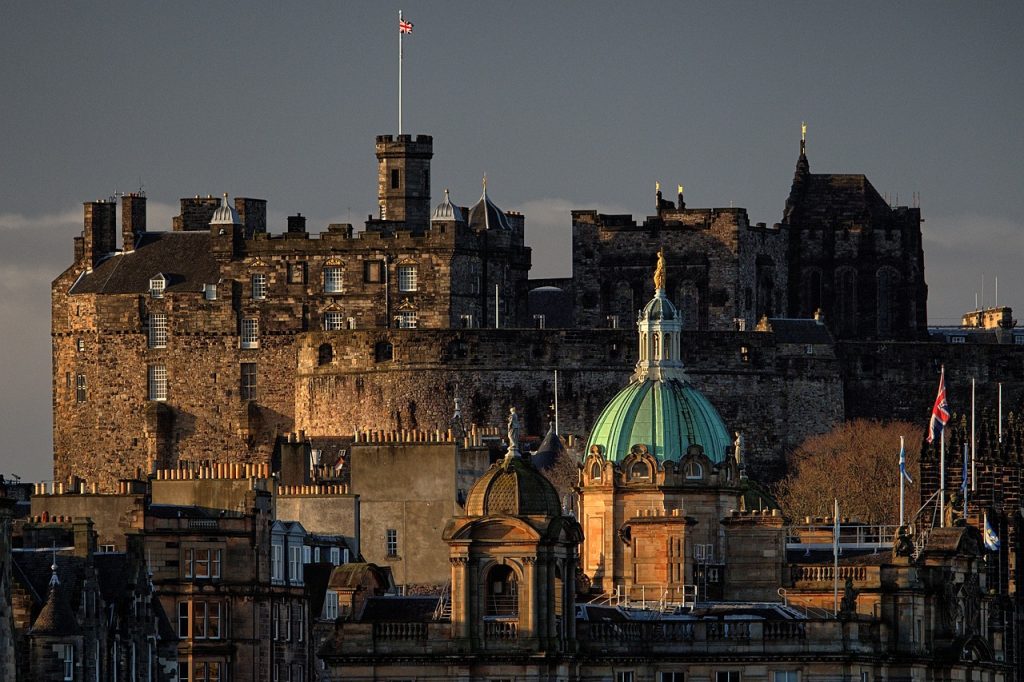
Edinburgh, Scotland’s historic and vibrant capital, serves as an excellent base for day trips into the country’s varied landscapes and histories. While the city itself offers a myriad of attractions, these crash sites provide a unique perspective on a lesser-known aspect of Scotland’s narrative. If planning to visit, it’s essential to approach these sites with the utmost respect, recognizing their significance and the memories they enshrine.
In conclusion, Edinburgh’s proximity to these historical air crash sites offers residents and visitors an opportunity to explore a poignant chapter of aviation history, set against the breathtaking backdrop of Scotland’s landscapes. They serve as a reminder of the past and inspire reflection on the nature of exploration, bravery, and sacrifice.